30 Jun 2026
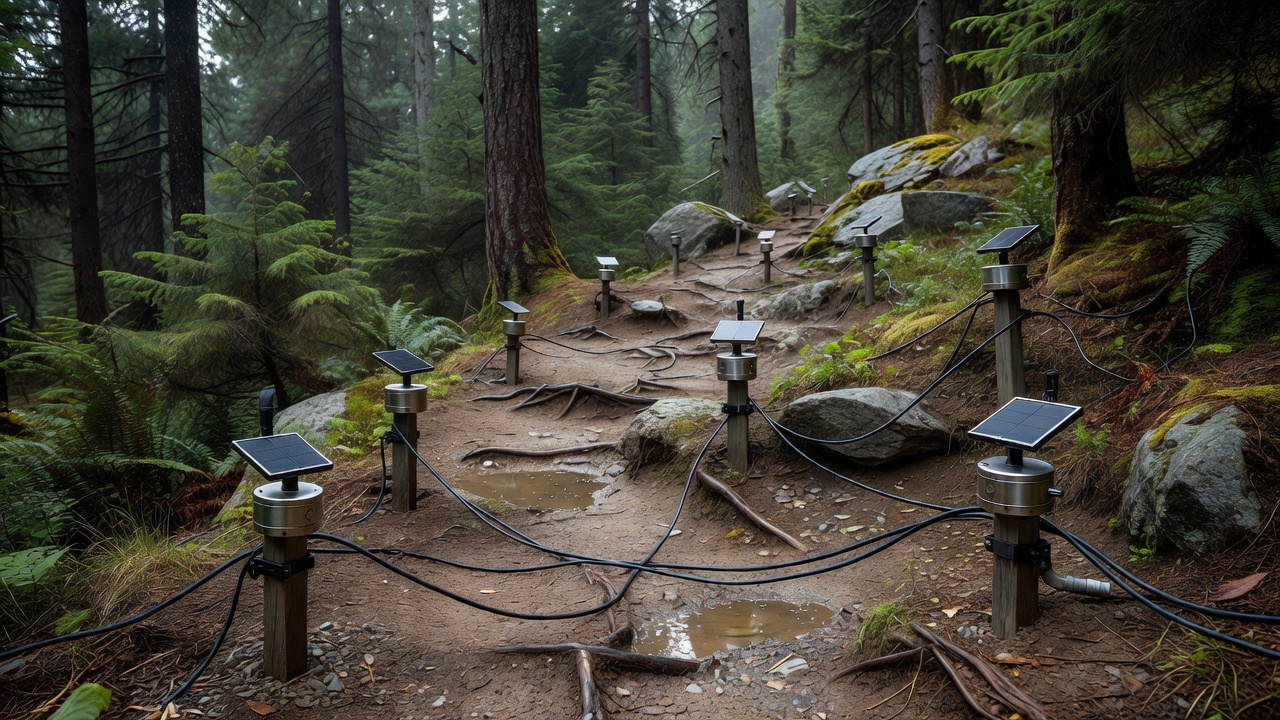
Trailnode is a node-based framework designed to support trail mapping, navigation, and maintenance across varied terrain. It connects discrete points, known as nodes, to form continuous routes that users can follow with precision. Each node stores location data, elevation details, and environmental notes, allowing for accurate representation of paths without reliance on traditional linear mapping alone.
Core Elements of the System
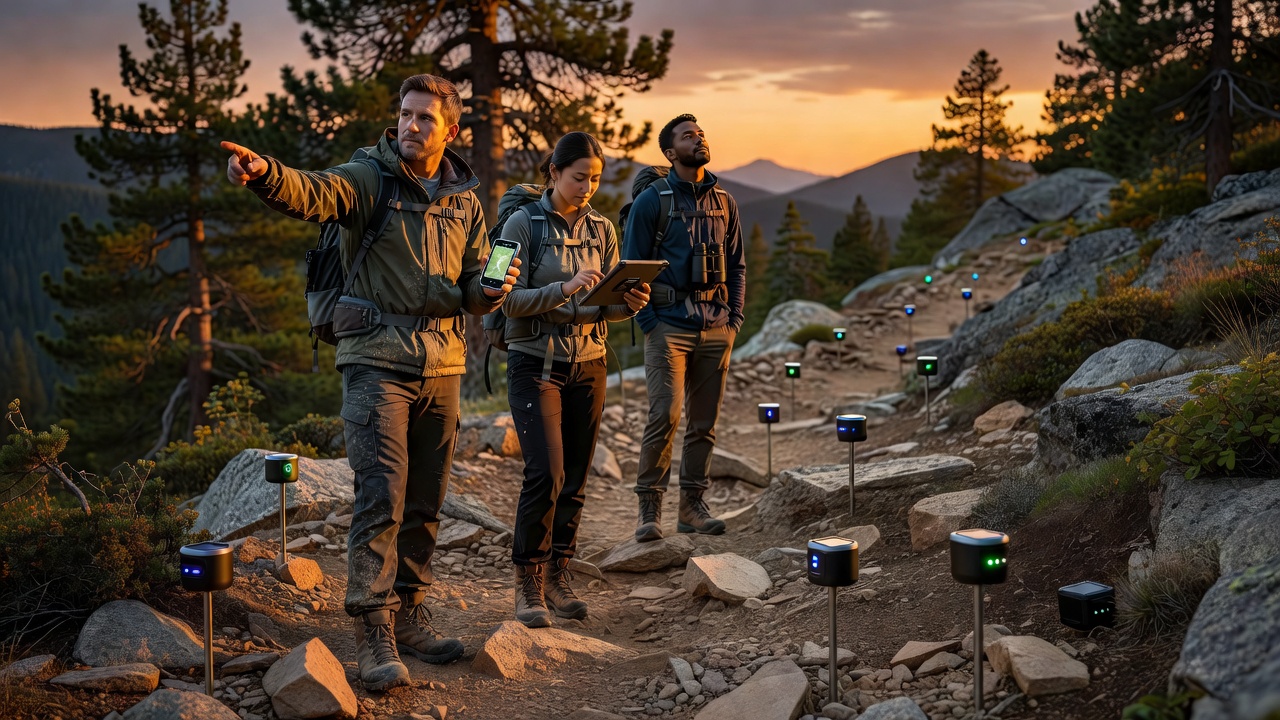
Nodes serve as the foundational units. They record GPS coordinates, timestamps, and optional attributes such as surface type or hazard warnings. Connections between nodes create segments that reflect real-world trail conditions. The framework supports updates when conditions change, such as after weather events or seasonal shifts. Users interact through mobile applications or desktop interfaces that display node networks in both two-dimensional and three-dimensional views.
Additional layers include user-generated annotations and sensor integrations. These layers permit collective refinement of trail information while maintaining data consistency across the network. The modular structure allows individual nodes to be added, removed, or adjusted without disrupting the overall map.
Common Applications
Trailnode supports recreational hiking by providing turn-by-turn guidance based on node sequences. Land managers use the system to monitor usage patterns and plan maintenance. In research settings, the node structure helps track ecological changes along established routes. The same principles apply to urban greenways and remote wilderness areas alike.
Implementation begins with data collection via handheld devices or drones. Once nodes are placed and verified, the network becomes available for navigation and analysis. Regular audits ensure accuracy, with changes propagated through the connected structure. This approach reduces reliance on static maps and supports ongoing adaptation to new conditions.
Security considerations focus on controlled access to sensitive node locations, such as protected habitats. Encryption and permission settings protect data integrity while allowing authorized contributors to participate. Overall, Trailnode offers a scalable method for managing linear environments through interconnected points rather than continuous lines.